


 Indonesian


Selama GTC 2026, VDURA menampilkan pembaruan utama ke Platform Data, yang dirancang untuk meningkatkan pemanfaatan GPU dan efisiensi penyimpanan di lingkungan AI.ketersediaan umum Remote Direct Memory Access (RDMA), pratinjau teknologi Context-Aware Tiering yang inovatif, dan konfigurasi infrastruktur yang divalidasi dibangun di sekitar CPU AMD EPYC Turin dan komponen jaringan NVIDIA ConnectX-7.
Pembaruan ini dirancang untuk menghilangkan kemacetan lalu lintas data antara cluster GPU dan sistem penyimpanan,sementara mengoptimalkan penempatan data di seluruh tingkat penyimpanan untuk lebih mendukung pelatihan AI skala besar dan beban kerja inferensi.

RDMA Membuat Jalur Data GPU Langsung
VDURA telah mengintegrasikan dukungan RDMA di seluruh Platform Data, memungkinkan server GPU untuk mengakses penyimpanan langsung melalui jaringan tanpa keterlibatan CPU.Terobosan ini memungkinkan transfer data dari GPU ke penyimpanan untuk melewati jalur kernel dan CPU tradisional, secara signifikan mengurangi latensi dan meningkatkan throughput menyampaikan jalur data latensi rendah dan throughput tinggi yang dibutuhkan pelatihan AI dan beban kerja inferensi dalam skala besar.
VDURA Global Namespace
Implementasi RDMA terintegrasi erat dengan VDURA DirectFlow, lapisan pergerakan data milik perusahaan, memastikan semua lalu lintas server GPU memanfaatkan RDMA.Dengan menghilangkan overhead CPU di jalur data, sumber daya komputasi tetap sepenuhnya didedikasikan untuk pelatihan model inti dan tugas inferensi. pendekatan ini mempertahankan tingkat pemanfaatan GPU yang lebih tinggi sambil meminimalkan latensi pipa di cluster AI terdistribusi,prioritas utama untuk penyebaran AI berskala besar.
Kontext-Aware Tiering Target Efisiensi Penempatan Data
VDURA juga merinci fase pertama kemampuan Context-Aware Tiering, yang dijadwalkan untuk rilis umum pada akhir 2026.penempatan data otomatis di seluruh tingkat penyimpanan berdasarkan perilaku beban kerja dan pola akses real-time, melampaui kebijakan statis untuk memastikan data berada tepat di tempat yang paling dibutuhkan..
Fase awal memperluas buffer DirectFlow ke dalam SSD NVMe lokal, memungkinkan data yang sering diakses untuk berada lebih dekat dengan sumber daya komputasi.Hal ini mengurangi ketergantungan pada penyimpanan bersama atau jaringan yang terhubung untuk data aktif, meningkatkan waktu respons untuk beban kerja kritis dan lebih mengoptimalkan kinerja.
Selain itu, platform ini memperkenalkan kontrol writeback KVCache, yang secara selektif hanya mempertahankan data inferensi kritis persistensi ke penyimpanan tahan lama.Hal ini meminimalkan aktivitas I/O yang tidak perlu sambil mempertahankan jaminan keberlanjutan yang dibutuhkan oleh pipa inferensi produksi AI, menemukan keseimbangan antara efisiensi dan keandalan.
VDURA juga meluncurkan kerangka kerja Context Cache Tiering yang mencakup DRAM dan SSD lokal. Kerangka kerja ini memungkinkan akses baca dan tulis kecepatan tinggi yang sebanding dengan kinerja kelas LMCache,membuatnya sangat cocok untuk kasus penggunaan seperti inferensi LLM konteks panjang dan generasi peningkatan pengambilan (RAG).
VDURA mencatat bahwa fase masa depan dari Context-Aware Tiering akan diperluas ke penempatan data yang sadar aplikasi, peningkatan koherensi cache di seluruh node,dan dukungan untuk komponen infrastruktur yang muncul seperti NVIDIA BlueField-4 DPUs yang lebih lanjut memperluas kemampuan platform saat beban kerja AI berkembang.
Menambah peningkatan perangkat lunak ini, perusahaan memperkenalkan konfigurasi platform yang dioptimalkan yang memasangkan prosesor AMD EPYC Turin dengan adaptor jaringan NVIDIA ConnectX-7.Konfigurasi ini dirancang khusus untuk melengkapi jalur data yang diaktifkan RDMA, mendukung komunikasi dengan throughput tinggi dan latensi rendah antara cluster GPU dan sistem penyimpanan, menetapkan patokan baru untuk infrastruktur AI asli GPU.
Full-Stack AI Data Pipeline Fokus
CEO VDURA Ken Claffey menekankan fokus perusahaan untuk memberikan platform penyimpanan AI yang mencakup seluruh hierarki data dari memori hingga penyimpanan jangka panjang, tanpa kompromi pada kinerja.Dia menyoroti bahwa platform memanfaatkan RDMA untuk, Akses data bebas CPU dan Context-Aware Tiering untuk memposisikan data secara cerdas di seluruh tingkat penyimpanan ̇inovasi yang membantu organisasi mendukung model AI yang lebih besar, menangani lebih banyak permintaan kesimpulan,dan skala infrastruktur AI sambil memenuhi persyaratan keandalan tingkat produksi.
Pendekatan gabungan ini dirancang khusus untuk mendukung ukuran model yang lebih besar, meningkatkan throughput kesimpulan,dan meningkatkan efisiensi infrastruktur secara keseluruhan, sambil mempertahankan standar keandalan dan kepatuhan yang penting untuk penyebaran AI produksi.
Ketersediaan
Dukungan RDMA sekarang tersedia secara umum pada platform VDURA V5000 dan V7000, siap untuk penyebaran segera.dengan program akses awal saat ini sedang berlangsung untuk pelanggan terpilih untuk menguji dan mengoptimalkan teknologi sebelum rilis penuh.
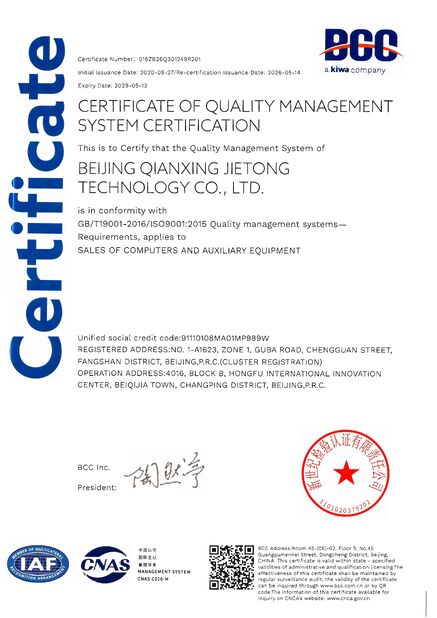
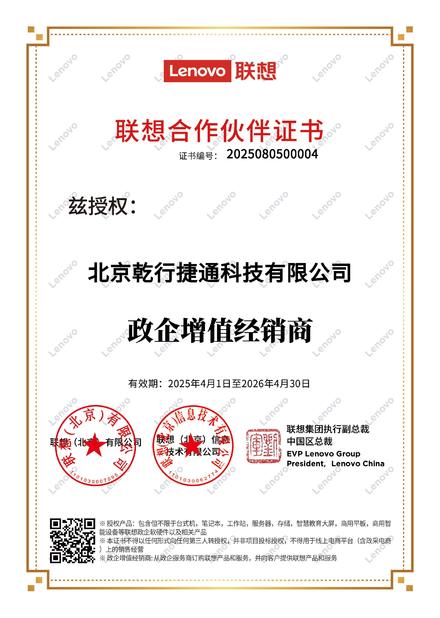
Beijing Qianxing Jietong Technology Co., Ltd.
Sandy Yang/Direktur Strategi Global
WhatsApp / WeChat: +86 13426366826
Email: yangyd@qianxingdata.com
Situs web: www.qianxingdata.com/www.storagesserver.com
Fokus Bisnis:
Distribusi Produk ICT/Integrasi Sistem & Layanan/Solusi Infrastruktur
Dengan 20+ tahun pengalaman distribusi TI, kami bermitra dengan merek global terkemuka untuk memberikan produk yang dapat diandalkan dan layanan profesional.
¢Menggunakan Teknologi untuk Membangun Dunia yang Cerdas ¢Penyedia Layanan Produk ICT yang Anda Percayai!
Sandy Yang/Direktur Strategi Global
WhatsApp / WeChat: +86 13426366826
Email: yangyd@qianxingdata.com
Situs web: www.qianxingdata.com/www.storagesserver.com
Fokus Bisnis:
Distribusi Produk ICT/Integrasi Sistem & Layanan/Solusi Infrastruktur
Dengan 20+ tahun pengalaman distribusi TI, kami bermitra dengan merek global terkemuka untuk memberikan produk yang dapat diandalkan dan layanan profesional.
¢Menggunakan Teknologi untuk Membangun Dunia yang Cerdas ¢Penyedia Layanan Produk ICT yang Anda Percayai!